Inside local address (private) - the IP address assigned to a host on the inside network. The address is usually not an IP address assigned by the Network Information Center (NIC) or service provider. This address is likely to be an RFC 1918 private address.
Inside global address (public) - A legitimate IP address assigned by the NIC or service provider that represents one or more inside local IP addresses to the outside world.
Outside local address - The IP address of an outside host as it is known to the hosts in the inside network.
Outside global address - The IP address assigned to a host on the outside network. The owner of the host assigns this address.
Network Address Translation (NAT) is designed for IP address conservation. It enables private IP networks that use unregistered IP addresses to connect to the Internet. NAT operates on a router, usually connecting two networks together, and translates the private (not globally unique) addresses in the internal network into legal addresses, before packets are forwarded to another network.
As part of this capability, NAT can be configured to advertise only one address for the entire network to the outside world. This provides additional security by effectively hiding the entire internal network behind that address. NAT offers the dual functions of security and address conservation and is typically implemented in remote-access environments.
NAT also has different types of methods: Full-cone NAT, Restricted cone NAT, Port-restricted cone NAT and symmetric NAT. Full-cone NAT also known one-to-one NAT.
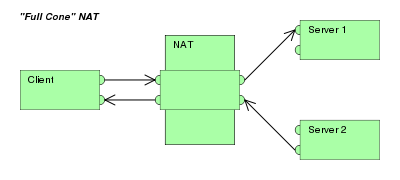


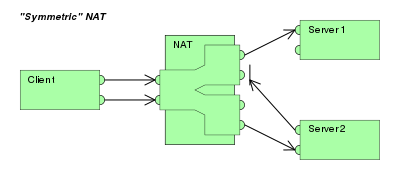
Port Address Translation (PAT) is also called porting, port overloading, port-level multiplexed NAT and single address NAT. During PAT, each computer on LAN is translated to the same IP address but with a different port assignment. PAT does not work alone. It always works with NAT as PAT only translates port and not the IP address.

HELLO,
ReplyDeletein this post about Network/ Port address translation, he started by explaining the definition of each different address like: inside network address, outside global address,etc. This makes me understand better as i continue reading the post as this terms are used often. Also mentioning that the inside local address most probably is a RFC 1918 private address. Also mentioning the different types of NAT methods that I did not, this post gives me more knowledge on more NAT types.
This post also explains the process of PAT, whereby all hosts are translated with the same IP address but different port numbers.
xoxo,
JENNY ♥ 1104495E